

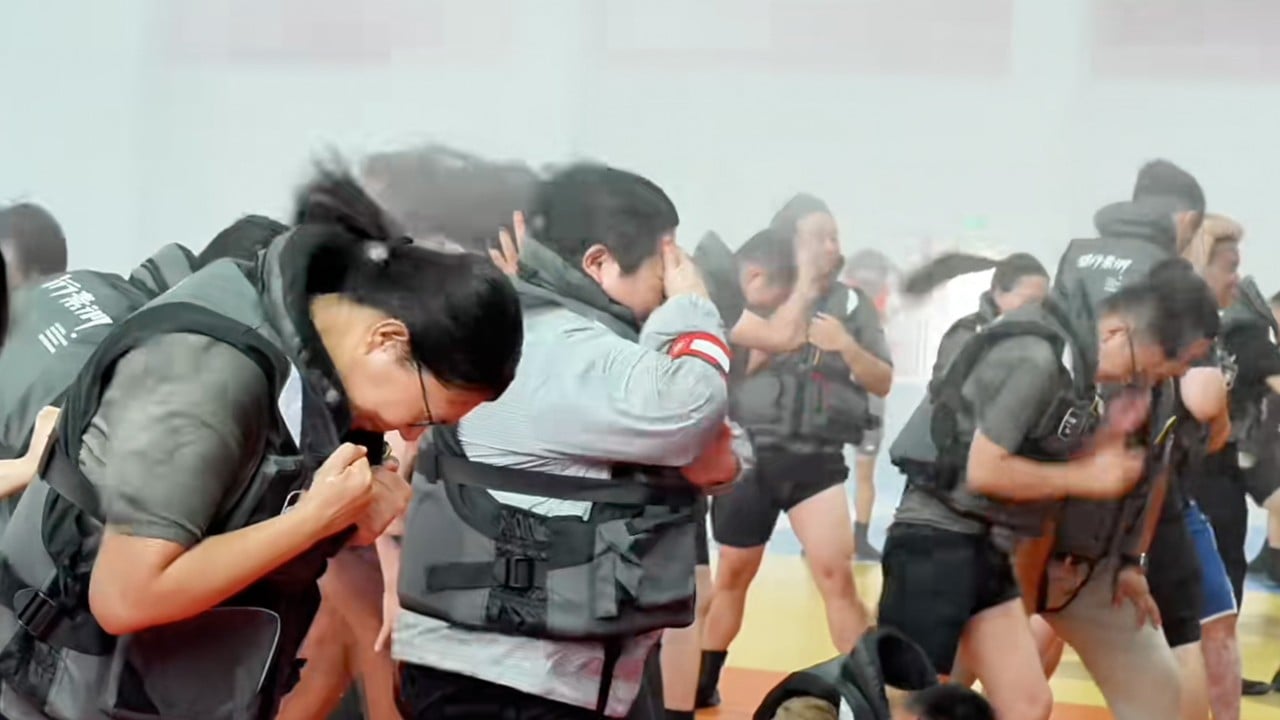
China dark tourism on the rise as adventurers brave simulated disasters at experience centres
The appeal of these events comes from facing a scary crisis in a safe environment, notes an expert
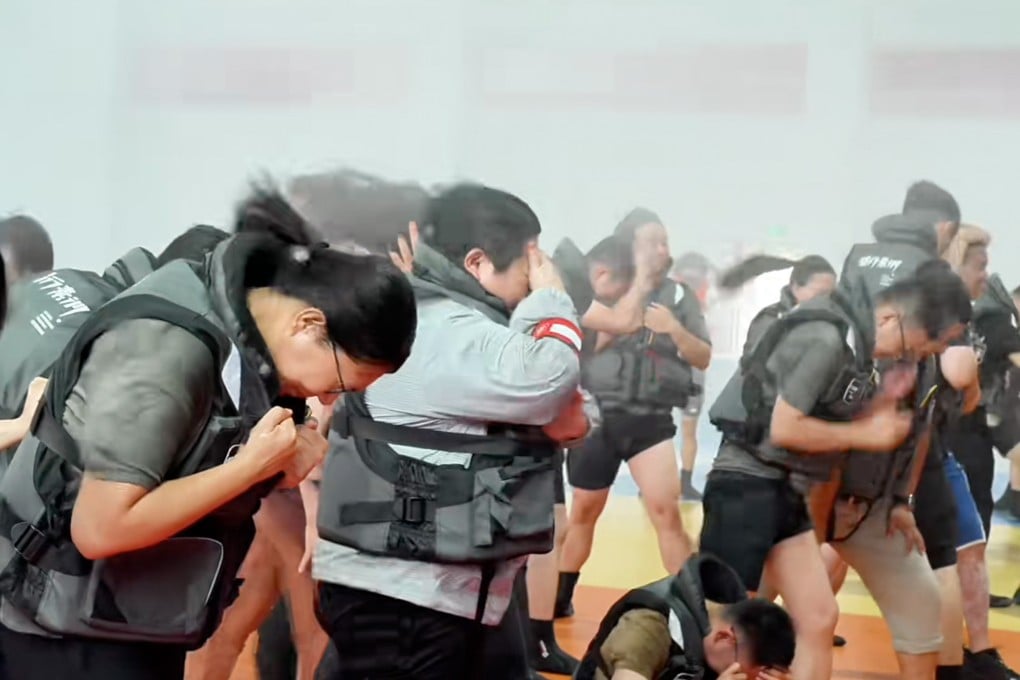
As dark tourism gains traction, some Chinese youth are embracing a related form of experiential travel, paying to confront simulated typhoons, floods, and other disasters while acquiring survival skills.
Also referred to as grief tourism, dark tourism involves visiting sites linked to death, catastrophe, and human suffering. Its origins trace back centuries, including connections to 17th century Britain, where public executions often attracted large crowds.
This phenomenon has surged across Asia in recent years, but its increasing popularity has sparked ethical debates regarding whether such experiences encourage remembrance and reflection or merely commodify tragedy for entertainment and profit.
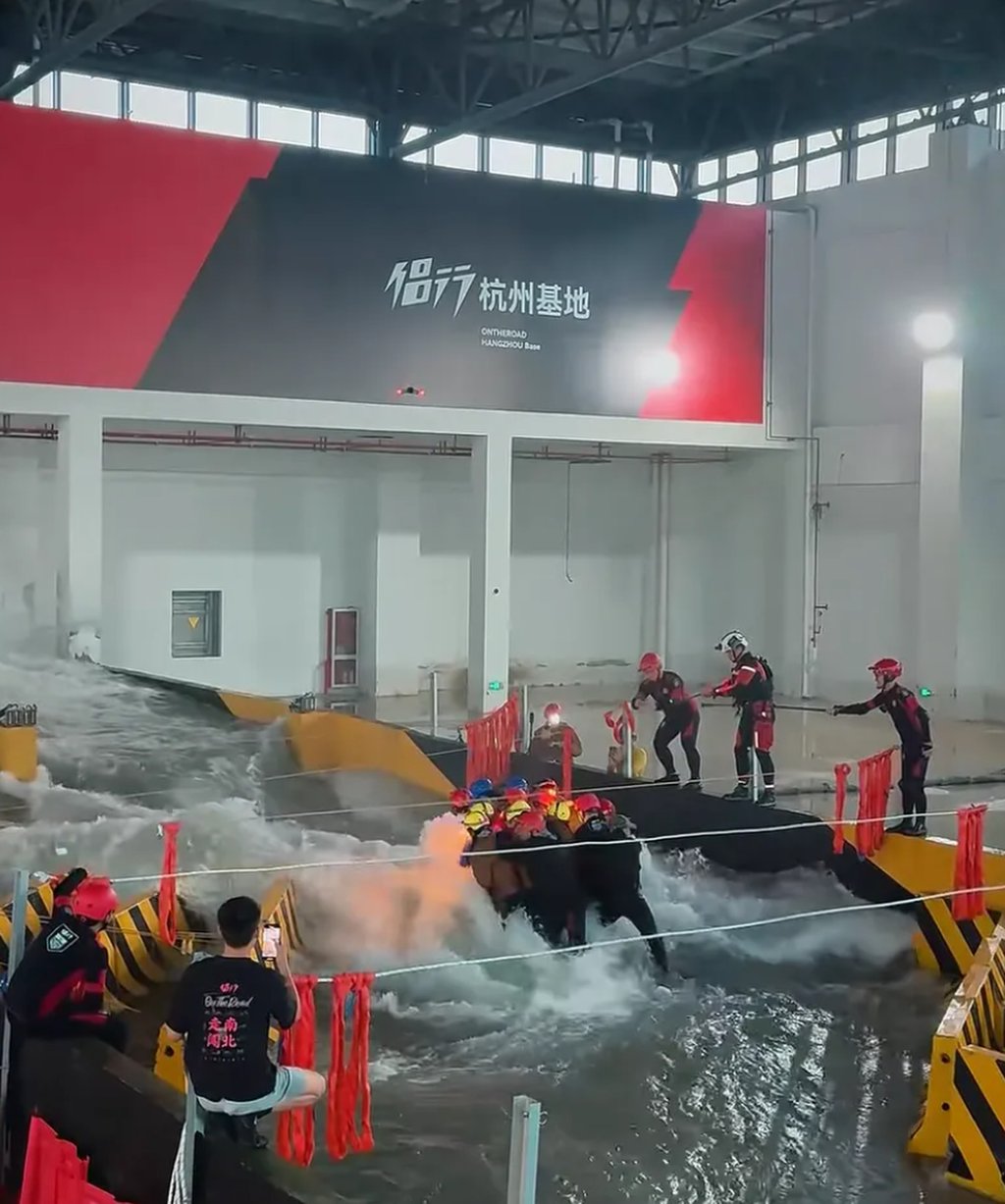
In Hangzhou, eastern China, Lvxing Base, touted as the country’s first immersive natural disaster simulation centre, has become a sensation on social media since its opening in September 2024.
For 899 yuan (US$135), adults can brave simulated typhoons, torrential rain, and flash floods, while a family package costing nearly 5,000 yuan includes wilderness survival and water rescue training. Children aged six to 14 can participate in selected activities.
Mainland media reports indicate that the Lvxing Base can generate winds of up to 165km/hour.
Participants don thermal suits and helmets before entering, while instructors provide training in rescue and disaster response skills, and trained safety staff are available to assist anyone who becomes distressed.
Xiaofei, who grew up in a coastal city, shared that she had never experienced a typhoon or flood up close. During the urban flooding simulation, water surged into an underground car park, rising to her neck.