

.jpg?itok=nwrFC-Aa&v=1747107027)
China’s space race has a new problem: finding room for failure
Does Beijing have time to fully investigate the year’s fourth rocket failure or will launch schedules force rapid returns to service?
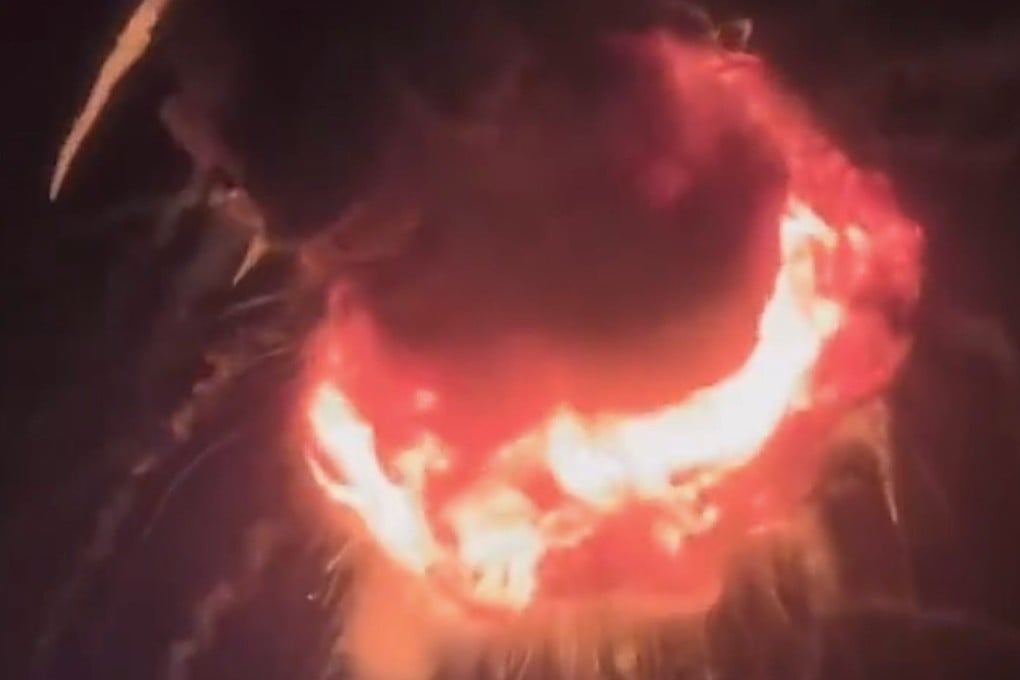
The cause is unknown, yet explanations are fast becoming a story of their own.
Neither of the two explanations in circulation has official backing. One points to the YF-100, the kerosene-oxygen engine that powers the 7A rocket’s first stage and four boosters. The engine is also used for the Long March 5, 6, 6A and 8, as well as the newer 10 and 12. The other explanation points to a possible structural failure near Max-Q, the point during ascent when the rocket faces its highest aerodynamic stress. Independent space flight trackers reached this view after studying the launch footage frame by frame.
Some trackers argue that the brief engine anomaly, seen before the break-up, happened too quickly to explain what followed. Others think an engine problem could have triggered a structural failure under heavy aerodynamic loads. But these are arguments and observations derived from the footage, rather than a confirmed finding.
Still, both explanations start with the same fact: the failure happened about 85 seconds after launch, during the burn of the first stage and four boosters.