
- 0
- 777 words
China’s reported sale of shoulder-launched missile systems to Iran should be concerning not just to the United States but also to Australia and other major powers in the Indo-Pacific. It demonstrates a deeper strategic partnership between Beijing and Tehran – one with destabilizing consequences for the Middle East – and shows a certain recklessness in Chinese behavior.
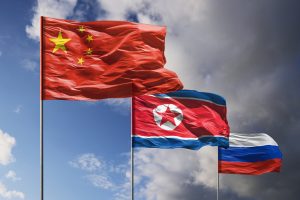
But China is not alone in this endeavor. Russia is an active party aiding Iran in a variety of ways, even though it has its hands full with its ill-advised invasion of Ukraine. Sino-Russian assistance to Iran degrades the international security situation in the Middle East and worsens the Strait of Hormuz crisis. And North Korea is involved too, completing the authoritarian axis.
According to a July 29 Reuters report, the China-Iran weapons contract is for shoulder-fired missile systems – up to 400 QW-12 and FN-16 man-portable air defense systems – under a deal worth between $60 million and $70 million. The missile systems could help Iran rebuild short-range air defenses, which have been severely degraded after five months of Israeli-U.S. military strikes.
To hide its role, China reportedly had a Hong Kong-based company, Zhongqing Baoshang International Investment, act as a middle agent facilitating the deal with Iran. China’s Foreign Ministry rejected the reports, saying that they had “no factual ground at all.” The Chinese Foreign Ministry spokesperson also added that “China always works for peace and the end of the conflict.” China’s Defense Ministry spokesperson made a similar statement saying that he was “not familiar with the relevant situation.”
This isn’t the first time reports about China’s sale of missile systems have become public. In February, Reuters reported that Iran and China were closing a deal for the sale of Chinese CM-302 supersonic anti-ship missiles. With a 290 km range, these were meant to boost Iran’s strike capabilities against the U.S. navy. In April, The New York Times, citing U.S. intelligence agencies, reported that China “may have sent a shipment of shoulder-fired missiles to Iran.” However, this report was somewhat unclear, as “the intelligence is not definitive that the shipment has been sent,” nor was there clear evidence that Iran had used the missiles against the United States. Nevertheless, these repeated reports show that China has enough stake in Iran to provide military supplies, despite the risks involved.
In May, the U.S. Treasury Department sanctioned 12 Chinese entities and six individuals for providing assistance to Iran for its ballistic missile program. China was thought to be providing chemical precursors and other dual-use items that went to Iran’s ballistic missile program.
Russia, too, has been arming Iran. In March, there were reports that detailed the scale of Moscow’s assistance to Tehran. This included the provision of medicine, food, drones, and intelligence, such as targeting information to help Iran hit U.S. assets in the Middle East. In September 2022, Iran supplied Shahed drones to Russia for its war in Ukraine. Now, Tehran is reportedly getting the more advanced versions of those drones from Moscow. The Financial Times reported that the “dramatically improved” version of the Shahed includes “modifications to the engines, navigation and anti-jamming capabilities.” There are also indications that the newer Russian drones come with Chinese radio modems, cameras, and a range of other improvements that make them even more difficult to counter. In addition, and drawing from its own drone warfare experience in Ukraine, Russia was also reportedly providing Iran with “tactical guidance on how many drones should be used in operations and what altitudes they should strike from.”
Completing the authoritarian axis, North Korea is reportedly gearing up to send around 30,000 troops to Russia. Ukrainian President Volodymyr Zelenskyy said on July 30 that Russia’s Voronezh region was getting ready to receive the North Korean troops. He added that North Korea was also likely sending “additional missile launchers” to further Russia’s military operations in Ukraine. Zelenskyy also said that the threat was not limited to Ukraine alone, as Russia was helping North Korea “learn how to wage war, improve its weapons and gain real combat experience in using them.” This should be concerning to other countries in the Indo-Pacific, especially Japan and South Korea.
Chinese and Russian assistance to Iran could have serious effects on Middle Eastern security dynamics, including potentially prolonging the war in Iran. Australia and other Indo-Pacific powers should be alert to deepening cooperation between authoritarian powers. These powers are already working together in Ukraine. Now they are in Iran, again trying to undermine the U.S. and its partners. Taiwan and other Indo-Pacific targets could be next.
This article was originally published in ASPI’s The Strategist.
Author
